Emergencies happen unexpectedly, and knowing how to perform CPR can mean the difference between life and death. When a person suffers a cardiac arrest, their survival depends on how quickly CPR is administered. The sad reality is that many people hesitate because they don’t know what to do. CPR Boston offers comprehensive CPR certification courses to help individuals and organizations gain confidence in their lifesaving skills.
Why Get CPR Certified?
🏥 Be Prepared for Emergencies: Cardiac arrests can happen anywhere—at home, work, or in public places. With CPR training, you’ll know exactly what to do in a crisis.
⚡ Boost Your Resume: Many employers, especially in healthcare, education, and fitness, require CPR certification for employment. Adding this credential can make you stand out in competitive job markets.
💪 Help Your Community: By learning CPR, you become a valuable asset to your family and community. You’ll be ready to assist in a life-threatening emergency before paramedics arrive.
💰 Save Money on Training for Businesses: Companies that train employees in CPR and first aid can lower insurance costs and create a safer workplace. Group training options at CPR Boston make it easy and cost-effective for businesses to certify their staff.
Who Benefits from CPR Certification?
CPR training is valuable across a wide range of industries and professions. Here’s how it applies to different groups:
- Healthcare Professionals (Dentists, Nurses, Physical Therapists, etc.): Medical professionals must be prepared to respond to patient emergencies in clinics, hospitals, and outpatient settings.
- Dental, Eye Surgery, and Dermatology Clinics: Patients undergoing procedures can have unexpected reactions, and knowing CPR can be lifesaving.
- Community Health Centers: Staff members at health centers often serve diverse populations, including elderly and high-risk individuals, making CPR skills essential.
- Church Groups: Faith-based organizations frequently host gatherings where large groups of people, including older individuals, may need emergency medical attention.
- Nursing, Physical Therapy, and Medical Schools: CPR training is a foundational skill for future healthcare providers.
- Grade & High School Teachers & Staff: Schools should be equipped to handle student medical emergencies, from asthma attacks to sudden cardiac arrest.
- Recovery Homes: Residents recovering from substance use disorders or other medical conditions may experience health crises requiring immediate intervention.
- Mental Health Residences: Staff members need CPR training to respond to health-related emergencies in residential care settings.
- Adult Daycare Providers: Caregivers working with elderly individuals should be trained to respond to heart attacks, choking, and other emergencies.
- Childcare Providers, Daycare Centers & Caretakers: Children are vulnerable to choking and respiratory emergencies, making CPR knowledge essential.
- Community Recreation Centers: These centers host a variety of activities where CPR may be needed, such as sports, fitness programs, and social events.
- Social Service Agencies: Organizations supporting vulnerable populations must be prepared to handle emergencies involving clients or staff.
- Restaurant & Hotel Employees: Employees in the hospitality industry interact with guests daily and should be trained to handle choking and medical emergencies.
- Coaches & Referees: Sports-related incidents, including concussions and cardiac events, can happen during games and practices.
- Personal Trainers: Fitness professionals work with clients in physically demanding situations, increasing the likelihood of medical emergencies.
- Construction Workers & Electricians: Worksite injuries, including electrical shocks and falls, can lead to life-threatening situations where CPR is needed.
- Corporate Office Staff: Cardiac arrests can occur in office settings, and having trained employees ensures quick response times.
- Hospitality Staff: Employees working in hotels, event venues, and entertainment industries should be prepared for emergencies involving guests or colleagues.
- Swim Instructors & Lifeguards: Water-related emergencies require immediate action, making CPR a critical skill for these professionals.
Why Choose CPRBoston.org?
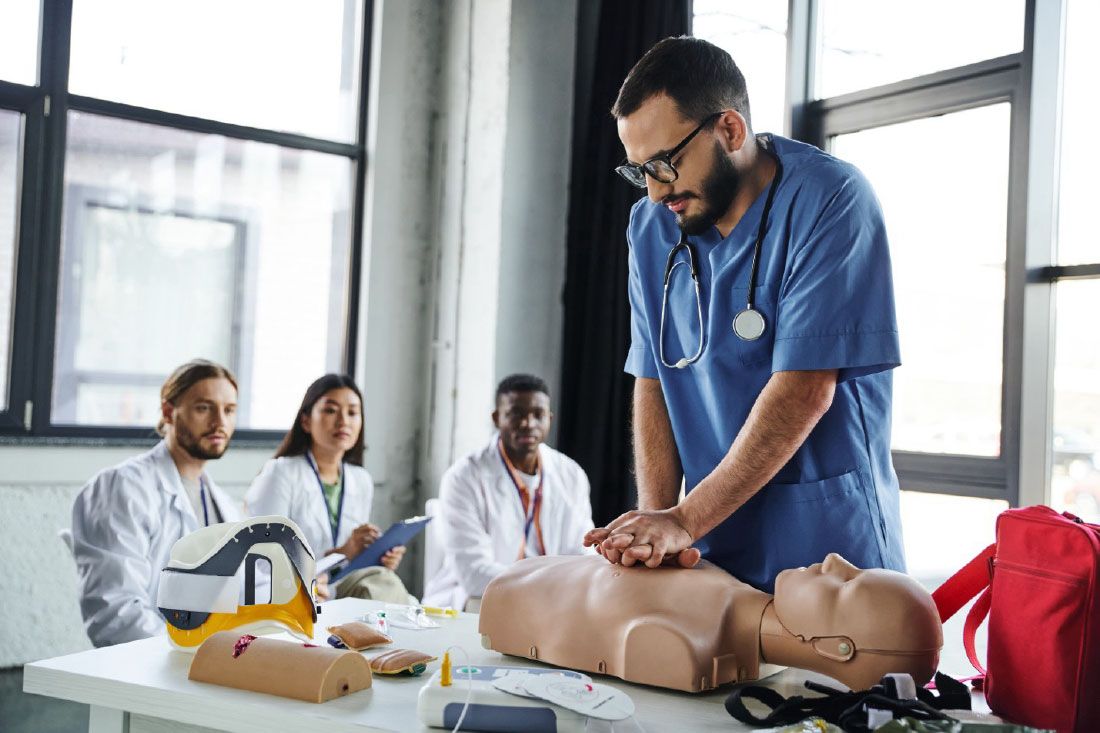
At CPRBoston.org, we provide American Heart Association (AHA)-certified courses, expert instructors, and a hands-on learning experience. Our classes cater to all skill levels, from beginners to healthcare professionals. You’ll practice real-life scenarios and leave the course feeling confident in your ability to perform CPR in an emergency. We also offer onsite training for businesses, schools, and community organizations.
📅 Get Certified Today!
Don’t wait until an emergency happens—be proactive and get trained today. Find a class that fits your schedule by checking out our course below and registering today!